 Laksha Care - Dental, Skin & Hair Speciality Center
What is a Hair Transplant?
A hair transplant moves healthy hair roots (grafts) from a donor area (usually the back or sides of the scalp) to thinning or bald areas. The grafts keep their natural growth cycle, so the new hair can keep growing over time.
Want to Consult with Expert?
Schedule Your Appointment Now
Schedule Your Free Consultation with Laksha Care Experts and
Get personalized treatment according to your need.
Who is it for?
- Men and women with pattern hair loss
- People with hair loss after injury or surgery
- Those with stable hair loss and enough donor hair
- Patients who want a natural look and steady, long-term results
At Laksha Care Hair Transplant Center in Panduranga Nagar, Bangalore, every case starts with a full scalp check, medical history, and a simple plan that fits your goals.
Methods We Use
FUE (Follicular Unit Extraction)
Single grafts are taken from the donor area and placed one by one. Small punch tools help keep the area neat and speed up healing.
FUT/Strip
A thin strip of scalp is removed from the donor area, then split into tiny grafts under a microscope. It can be useful when many grafts are needed.
DHI/Implanter-Pen Techniques
Grafts are placed with implanter pens to help with angle, depth, and spacing for a dense, natural hairline.
We choose the method based on donor quality, area to cover, hair type, and your day-to-day needs.
What to Expect: Step by Step
- Consultation & Plan – Scalp analysis, goals, graft count, and design
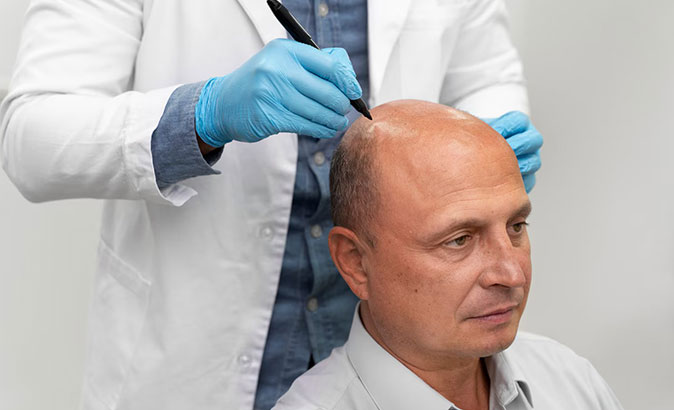
- Design & Marking – Hairline shape, density zones, and direction
- Local Anesthesia – Comfort during the procedure
- Graft Harvest – FUE punches or FUT strip, handled with care
- Site Creation – Tiny sites made to set angle and flow
- Graft Placement – Gentle handling for graft survival
- Post-Care Guide – Washing steps, sleep position, and activity plan
Recovery & Timeline
- Days 1–7: Redness and tiny scabs settle; gentle washing starts as advised
- Weeks 2–8: Some of the new hairs may shed (normal phase)
- Months 3–6: Early growth starts; density builds
- Months 9–12+: Thicker, fuller look; final shape improves further
Why Results Look Natural at Laksha Care
- Hairline planned to suit face shape and age
- Correct angle and direction for a soft, natural front line
- Mix of single and multiple-hair grafts for a full yet natural blend
- Strong focus on graft care to support survival
Safety, Risks, and How We Reduce Them
Common, short-term effects can include swelling, mild soreness, or numbness. Proper sterile steps, gentle graft handling, and clear after-care reduce risks. You get a direct line to our team for any questions during recovery.
Hair Transplant vs Non-Surgical Support
We often pair surgery with medical support (as advised by the doctor) to protect native hair and improve scalp health. This can include anti-hair fall plans, scalp care, or nutrition advice.
Cost Factors (Why Prices Differ)
- Number of grafts
- Technique (FUE, FUT, DHI)
- Donor hair quality and case complexity
- Need for beard or body hair (when suitable) We share clear estimates after consultation—no hidden fees.
Why Choose Laksha Care, Bangalore
- Experienced Team: Skilled hair surgeons and clinical staff
- Modern Tools: Advanced magnification, precise punches, implanter pens
- Clean, Comfortable Care: Focus on safety and steady results
- Location Advantage: Easy access at Panduranga Nagar, Bangalore
Searching for hair transplant in Bangalore or the best hair transplant centre in Panduranga Nagar Bangalore? Laksha Care offers expert planning, careful surgery, and steady follow-up for lasting results.
Laksha Care Clinic Direction
Book an Appointment
Frequently Asked Questions
Is a hair transplant permanent?
The moved hair usually keeps growing like it did in the donor area. Long-term care can help protect native hair.
Will it look natural?
Yes—design, angle, and correct graft choice give a natural hairline and even coverage.
When will I see results?
Early growth often shows by month 3–4. Most patients see strong change by 9–12 months.
Is it painful?
Local anesthesia keeps you comfortable. Mild soreness can occur for a few days.
Can I go back to work soon?
Many return in a few days, depending on the job and comfort with short-term redness.
